Download report English Français Deutsch

JOIN ONE

Africa's Future is Female

Much more needs to be done to unleash the potential of Africa’s 430 million women and girls. The United Nations Millennium Development Goals (MDGs) Summit this September is one place where the world must throw its support behind them.[1] We know what’s needed to unleash the potential of women and girls around the globe – better hospitals, more girls in school, easier ways to start and grow a business and greater opportunities for women to be leaders.

Women worldwide

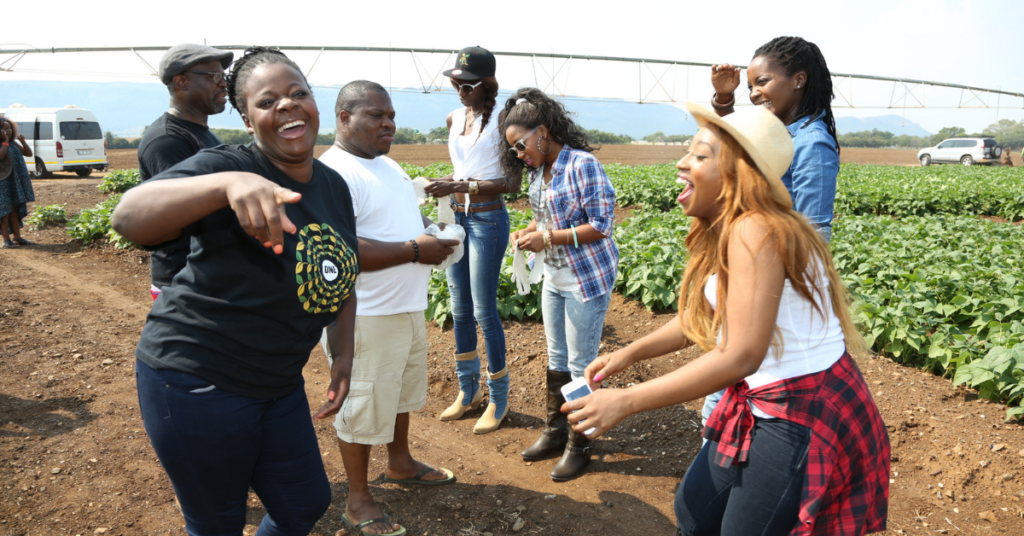
Africa’s future depends on the continent meeting some seemingly impossible challenges over the next decade: making sure that mothers stop dying while giving birth, carving out a place for itself in the global economy, helping farmers grow enough to feed their families and communities, educating the next generation of leaders. Africa won’t be successful unless we invest in the future of its women – as farmers, mothers, doctors, entrepreneurs – and allow them to thrive and drive change, from their homes to the halls of government.

The women profiled in this report – from the Tanzanian sweet potato farmer to the director general of Nigeria’s Securities and Exchange Commission –are the powerhouses behind Africa’s progress over the last decade, demonstrating what is possible in communities across the continent.

We know that Africa’s future is female. Let’s make sure that future is a bright one by stepping up our investment in women and girls.

If the world is serious about tackling extreme poverty and disease, then it's time to step up our investment in Africa's women and girls. It's time to make a change.

Over the past decade, most efforts in the fight against poverty have focused on delivering high-impact solutions such as immunisations, bed nets to protect against malaria and fertilisers to boost farm yields. These investments have achieved impressive results and should be expanded. Yet without creating the long-term conditions for development and self-sufficiency – committed, transparent leadership and strong economies – these results cannot be sustained.

A new development strategy that invests in the potential of African women to improve governance and achieve sustainable, equitable economic growth will help Africa put itself on a path to meet the MDGs by 2015 and to eradicate poverty and achieve prosperity in the years ahead.

The recommendations in this report outline the steps that all development partners should take to improve governance, create economic opportunity and increase smart investments to meet the MGDs by 2015, especially by tapping into the potential of women and girls to drive their countries’ development.

Notes

[1] The Millennium Development Goals (MDGs) are a set of targets aimed at reducing global poverty and disease by 2015. Leaders from 189 nations committed to these goals when they signed the Millennium Declaration at the United Nations General Assembly in 2000. Progress towards the MDGs will be reviewed when world leaders gather for the annual UN General Assembly in September 2010.