Saving lives with a well-placed nudge


Dec 11th, 2011 9:00 AM UTC
By Guest Blogger

Rachel Glennerster, Executive Director of J-PAL, explains how an incentive as small as a bag of lentils can encourage parents to get their children immunized.

Untitled1

Photo credit: J-PAL South Asia

It is easy to get overwhelmed by the enormity of the challenge of global poverty, but there are many quick and easy things that have been proven to work. Preventative health care, including childhood vaccinations, is particularly effective and has saved millions of lives. But millions of children are still not vaccinated, even where vaccines are free and available. Time to despair about deep-rooted cultural hostility to modern medicine? Actually, procrastination is probably just as big a culprit.

In rich countries, we are constantly nudged to do the right thing. My son was fully immunized only after I got a threatening letter saying he would be expelled from preschool unless I submitted proof of immunization by the end of the week. Did I fail to do it earlier because I was uncertain of the benefits of immunization? No, I have written a book on the subject. But I was busy, and I kept putting it off. It turns out, I have much in common with mothers in Rajasthan, India.

Untitled

Photo credit: J-PAL South Asia

My colleagues at J-PAL and I collaborated with the NGO Seva Mandir to test whether small non-monetary incentives at convenient and reliable mobile clinics could improve immunization coverage in rural Rajasthan. Decades after a policy of free immunization at government clinics was implemented, only 6 percent of children were fully immunized.

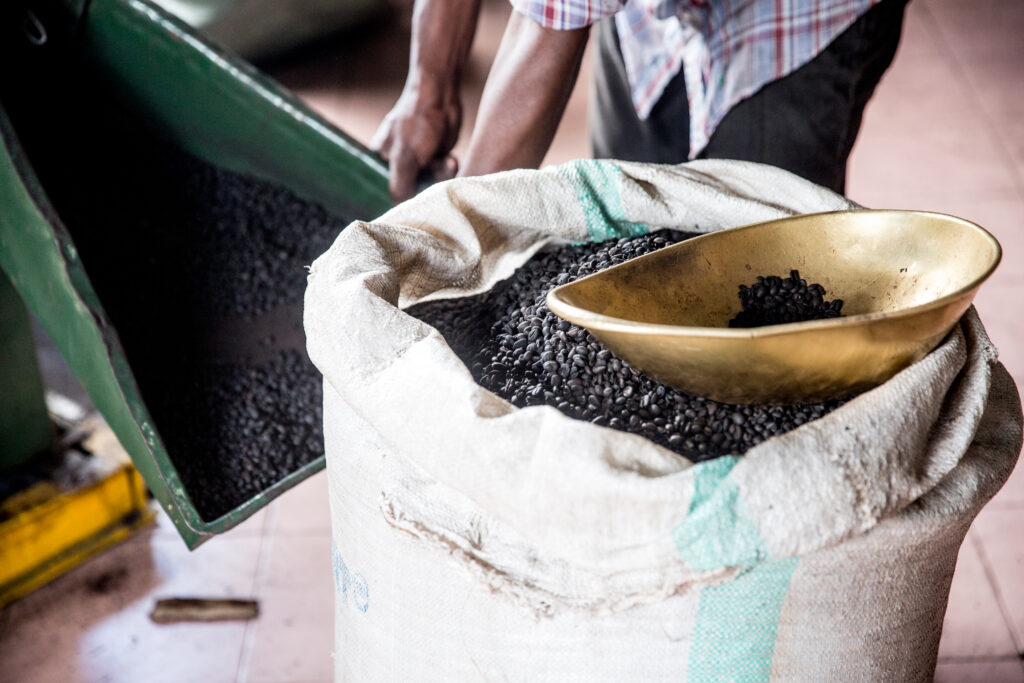
Giving parents a bag of lentils for each shot and plate set when the course was complete, brought the full immunization rate to 39 percent, a six-fold increase. Excited as we were by our results, we were surprised by reactions from some policymakers when we suggested using incentives as a way to increase immunization.

Across the political spectrum, there is a mistrust of giveaways, and even more of incentives: “You mustn’t bribe people to do the right thing.” The right calls it wasteful, the left calls it degrading. They would rather just convince the poor of the benefits of immunization.

But to me, that is putting ideology above saving children’s lives. If I needed a nudge to get my son immunized, why is it wrong to provide a small incentive to those parents who carry their children, sometimes for miles, to immunization camps? Incentives for immunization in areas where immunization rates are low is just one of the simple, effective, rigorously evaluated solutions to poverty that are within our grasp.

Rachel Glennerster is Executive Director of the Abdul Latif Jameel Poverty Action Lab (J-PAL). Find out more about this research in the J-PAL Policy Briefcase “Incentives for Immunization.”

J-PAL is a network of affiliated professors around the world who are united by their use of randomized evaluations to answer questions critical to poverty alleviation. J-PAL’s mission is to reduce poverty by ensuring that policy is based on scientific evidence.

TAGS: From Our Partners, India, Maternal and Child Health, ONE, Power of Vaccines, vaccines