Ed Gresser of the Trade, Aid and Security Coalition looks back on African trade to the US since the African Growth and Opportunity Act was implemented ten years ago.

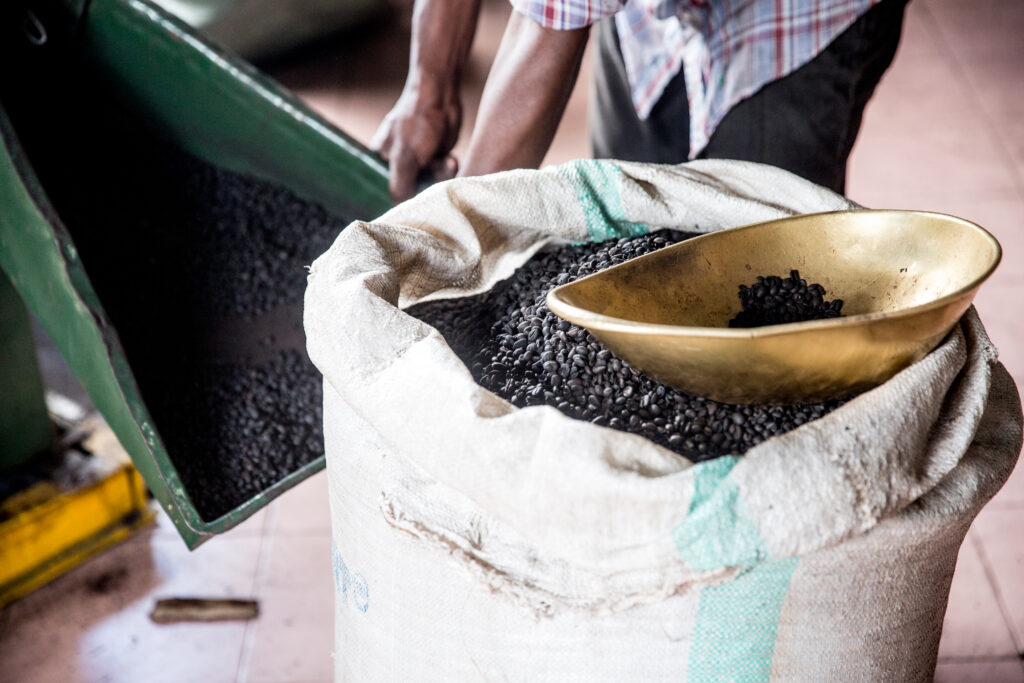
Perhaps you’ve seen it in a pet shop. “Nyjer,” a little black seed fed to birds like the finch and bluebird, is the priciest birdseed at the market at $1.50 a pound. Ethiopians have a near-monopoly on this product. Farmers on Ethiopia’s high plateau have grown and harvested it, under the name of “noug” or “niger seed,” for cooking oil over the last five millennia.
To their surprise, they now sell it worldwide, providing about two-thirds of America’s imported birdseed. The manager of an Addis Ababa trading firm describes how stunned he was to find Americans buying expensive seeds simply to throw them away to birds:
“[Americans] have become the target for whomever wants to sell the Niger seed… We hear that Niger seed goes to the USA market for bird feed, which really amazes us because we know the product as for human consumption only.”
Thus with a bit of information and some global linkages, traditional farmers become producers for the world.
Their success suggests that the hope of the African Growth and Opportunity Act (AGOA) a decade ago for growth through trade was not misplaced. A decade after then-President Clinton presided over a sunny White House-signing ceremony, the energy and metals boom fueled by Chinese growth is drawing more attention than America’s African trade policy. But over these ten years, the near-universal waiver of American tariffs on African products has helped Kenya, Lesotho and Swaziland become strong clothing exporters, enabled South Africa to rise, and -– as Ethiopian birdseed exports suggest -– also had some more subtle, indirect and less-noted successes. The deep and continuous exchange of information through annual AGOA Forums and the four trade hubs are a unique way to help African producers find markets for things like noug and shea butter, where tariffs don’t exist and all farmers need is information.
But the decade also brought some disappointments. Supply chain and port problems still place African manufacturing outside South Africa –- especially in inland countries -– at a disadvantage against Asian and Latin rivals too great for tariff margins to overcome. This is why only three countries have taken significant advantage of the clothing tariff waivers. Likewise, and perhaps for similar reasons, Americans remain tiny buyers of African agricultural products –- by value almost half of all our African farm imports are cocoa beans from Cote d’Ivoire. On the American side, AGOA’s tariff benefits lacked by the capacity-building and aid-for-trade support that would help African governments and businesses take full advantage of them.
As we take stock on this anniversary, we must understand that AGOA’s success is real but limited. But the areas in which it has delivered less than its authors hoped still offer lessons on how to do better, and how to match American policies more effectively with complementary African strengths. The unexpected success of Ethiopia’s noug farmers is testament to the fact that idealistic ideas often work –- and sometimes in ways their creators never expected.
The resource boom is a unique opportunity to take a good program and bring it to its full potential. If Africa’s oil and metal exporters can invest some of their earnings to create a top-quality continental infrastructure, with ports and internal crossing points, African farm and manufacturing exporters will come level with their competitors in other regions. Americans simultaneously should cement AGOA’s successes, by extending its generous textile benefits this year, ensuring that it remains a continental program rather than one which chooses only least-developed countries for benefits, and developing new capacity-building supports in agriculture and logistics.
As this is done, a much larger set of African farmers, workers, businesses and nations will be able to succeed in trade -– and stories that today seem cheerful and inspirational story will become, as they should be, simply typical and normal.