Interview: Jose Fernandez on the ‘three-legged stool’


May 31st, 2011 4:30 PM UTC
By Friederike Roder

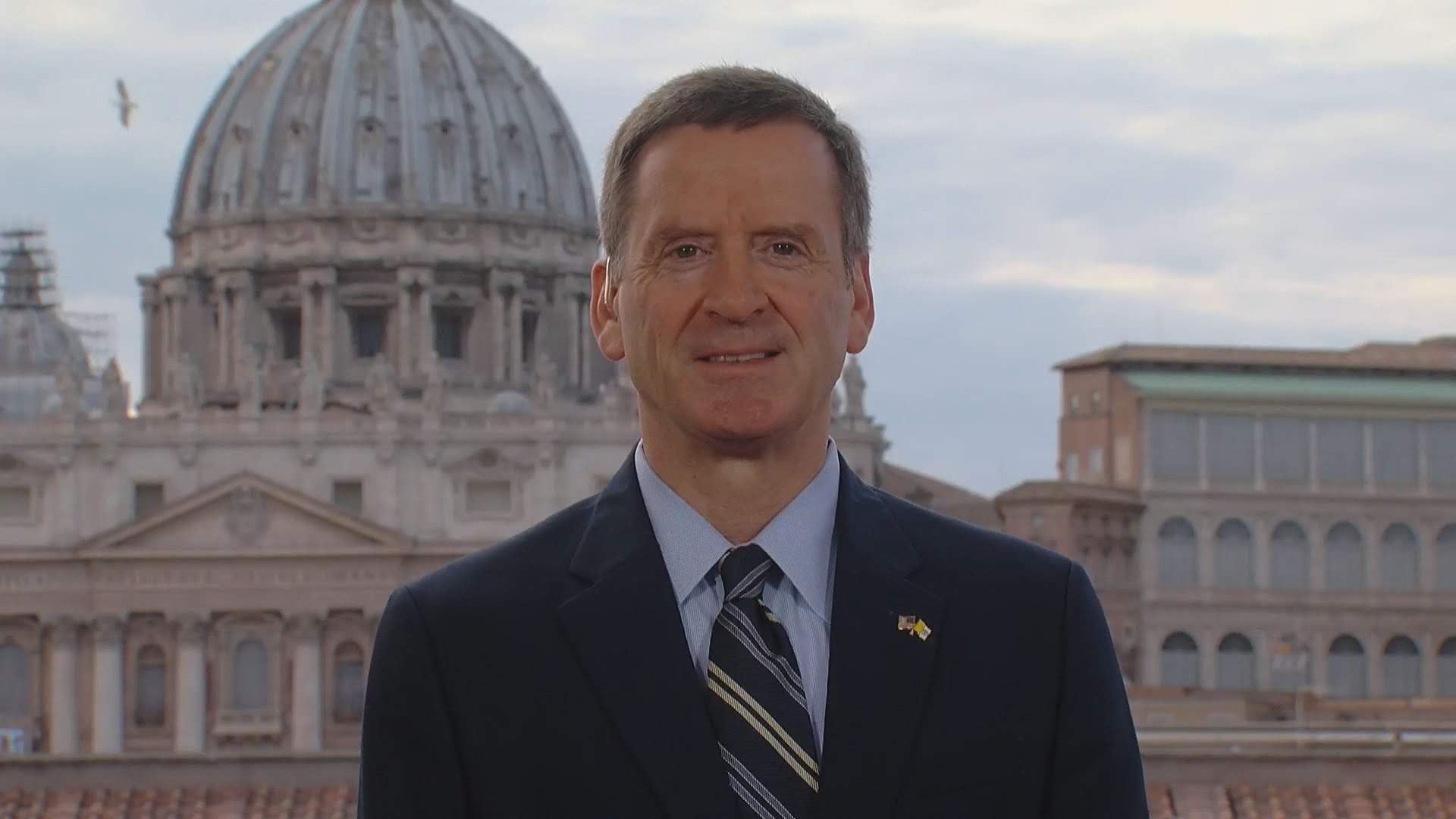
Jose W. Fernandez, assistant secretary of economic, energy and business affairs at the US State Department, talks to ONE in honor of the OECD’s 50th anniversary in this exclusive interview.

Jose W. Fernandez, ONE

The US is launching a new DF4D program. Could you tell us more about it?
President Obama announced the new DF4D initiative this past March during his trip to El Salvador and Secretary Clinton will speak to the basic components of DF4D at the OECD ministerial conference today [26 May]. Briefly, DF4D represents the United States government’s combined and elevated focus on three separate, but mutually reinforcing areas of its development agenda: enabling developing countries to self-finance more of their own needs or “domestic revenue mobilization,” improving fiscal/budgeting transparency, and fighting corruption.

We’re also announcing plans to establish an innovation fund to support new and creative approaches related to these areas in addition to our intention to pilot this program in a handful of countries where the benefits of this approach can be demonstrated.

The US has supported programs in these three areas in the past. What is new about it?
We view domestic revenue mobilization, transparency and anti-corruption as a three-legged stool, each reinforcing the other and putting developing countries on a stronger path towards sustainable and broad economic growth and opportunity. But when in some countries only 15 percent of education dollars actually are used for education, with the rest disappearing, or when a country’s national budget sets aside 5 percent of its revenues to be used at the discretion of the president, civil society, especially the wealthy, resists paying taxes.

Focusing solely on revenue mobilization won’t have the same impact as attacking all the three areas at the same time. We need a holistic approach and DF4D is a platform to enhance USG coordination and international cooperation in these three areas. In demonstrating the benefits of comprehensive reform, DF4D will also focus on spurring the political commitment to these reforms, among other potential partner governments.

With whom will the State Department cooperate in order to implement DF4D?
Other donors and multilateral institutions like the OECD and IMF, and also the G20, have done significant and excellent work in these areas and we have plans work together and integrate their perspectives and best practices into this effort. For example, we will bring in the OECD‘s tax center, which has been doing a lot of work with Latin America and Africa. Within the USG, other agencies like the Treasury and USAID will be involved with State in the program.

What are the countries the US will implement the DF4D with?
The first country we are focusing on is El Salvador. We already have a partnership with the Funes Administration to address many of the legacy constraints to growth in El Salvador. Although El Salvador is struggling with many social and economic challenges, particularly in terms of security, it has made significant progress in terms of revenue mobilization, lifting its tax revenues from 10 percent of GDP to about 14 percent through sensible reforms and instituting more efficient processes. DF4D requires leaders and partners committed to reform, and in El Salvador, we have a great foundation on which to build. DF4D will certainly also involve African, most probably West African countries.

What is the role of domestic finance in comparison to ODA for achieving the MDGs?
Increasing the capacities of developing countries to raise their own internal revenues should not crowd out ODA. Both are important to reach the MDGs. Nevertheless, the underlying goal of ODA is enabling sustainable growth and self-sufficiency. In the long run, domestic resource mobilization will become more and more important as it is less volatile than ODA and it also enhances ownership of the country over its own development agenda.

As part of the Gleneagles commitment, the US had an ODA target for 2010. Will the US set a new target for 2015, as the European Union has already done?
The Americans have always been generous –- we are the largest aid donor in the world, by far — and will certainly also be generous in the future, although we have not translated this into concrete figures and targets yet.

What are other development issues that your Bureau of Economic, Energy and Business Affairs is pushing for at the moment?
With 30 years in the private sector before I came to State, I know that there are more ways to integrate and leverage private sector resources to support development goals. One area that has great potential is remittances because they are one of the largest sources of private, foreign exchange to developing countries. Between $50 to $60 billion is sent to families and friends in Latin America from migrants abroad every year. More than $22 billion was sent to sub-Saharan Africa last year.

The scope and scale of the flows of remittances give them the potential to have a positive development impact, orders of magnitude beyond the critical, immediate needs they meet for those who receive them. We have launched the BRIDGE Initiative (Building Remittance Investment for Development Growth and Entrepreneurship) in El Salvador and Honduras initially to explore that potential and evaluate and implement sound finance mechanisms to leverage remittance flows in ways that will increase the access to capital that will facilitate more long term and economically productive investment.

TAGS: Interviews, OECD, ONE, Policy News

RELATED VIDEO

Share the Proof