David Beckman’s new book says ‘we can end world hunger in our lifetime’


Oct 22nd, 2010 4:46 PM UTC
By Mark.Brinkmoeller

Beckmann book-cover[1]

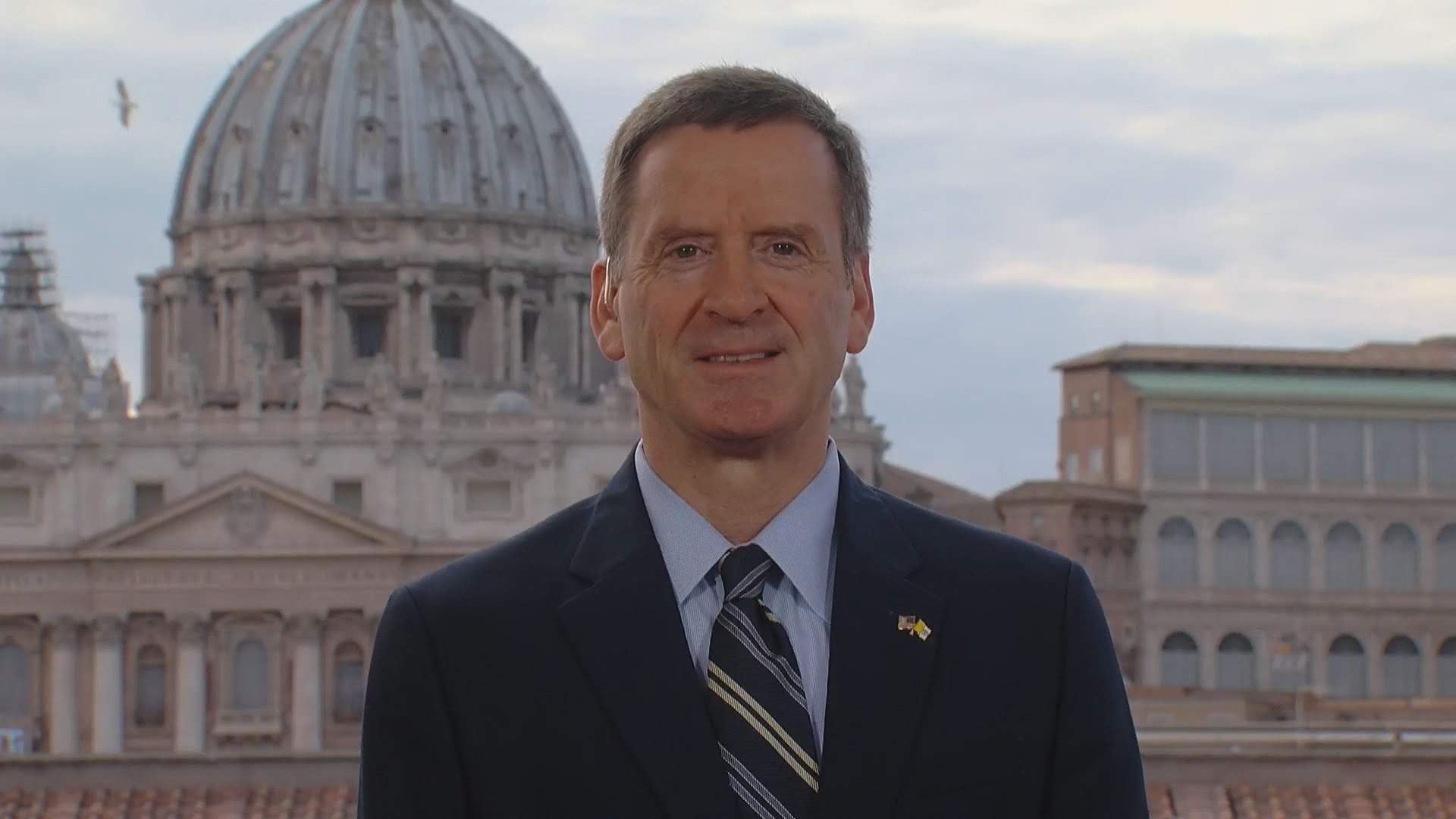
It has been a good October for David Beckmann, head of Bread for the World (and my former boss) personally, and for we anti-hunger advocates generally. Last week, David — anti-hunger activist, Lutheran pastor and president of Bread for the World — received the 2010 World Food Prize (the Nobel Prize equivalent for food and agriculture) at a ceremony in Des Moines, Iowa, earlier this month.

October saw the launch of David’s latest book as well. In the new book, “Exodus from Hunger: We Are Called to Change the Politics of Hunger,” David argues that we can end world hunger in our lifetime. He makes an passionate plea for all ordinary citizens, especially people of faith, around the country and the world, to muster up the political will to end global hunger.

David combines an optimism born from faith and a down-in-the trenches approach to ending hunger. Since he’s a pastor and an economist, his combing of the two comes as no surprise. The pastor sees people moving out of poverty as part of “God moving in our time.” At the same moment, the former World Bank economist sees the economy as crucial. David relates that we “can moderate what the economy is doing to hungry and poor people and set the stage for rapid gains against hunger and poverty once the economy recovers. In fact, I think God is calling us to change the politics of hunger.”

Congratulations to David on the prize and the book. Head over to his website to find out more about the book and get your own copy.

TAGS: Agriculture, Bread for the World, From Our Partners, ONE

  1. michael crawleysays: Oct 23rd, 2010 10:29 PM EST

    October 23, 2010 at 10:29 pm

    Withholding food from a person will kill them just as surely as putting a gun to their head and pulling the trigger. Therefore, we have a moral obligation to feed everyone with absolutely no exceptions. We sentence people to death row after they have taken someone’s life, but we feed them. People who are terminally ill are fed up until the last possible moment. Individuals who are medically diagnosed as brain dead receive the proper nutrition necessary to sustain life, but for some unimaginable reason we are more than willing to let 6,570,000 children die from starvation and hunger related causes each year without giving it a second thought.

    A starving ten-year old boy living in extreme poverty would be far better off if he came to America and killed you or me. He would receive more humane treatment here as a criminal than he receives as an innocent child living in deprivation. This is a sad testament to the world we live in, but it must be acknowledged that it is a world of our own making.

    Having sufficient food to ensure good health is a basic human right. This is not a philosophical debate. There is no moral ambiguity involved. To deny anyone access to food is morally indefensible. Food is not a weapon that can be employed with cruelty and disregard. Food is not a product that can be bartered or used as a negotiating tool. Food is exempt from all the other things in life that must be paid for because without it there is no life. When we allow people to starve to death day after day we are making the choice to let it happen. When innocent people die and we do nothing to stop it we are complicit in their deaths. http://stopextremepoverty.com/2010/08/20/hunger/

  2. lilllysays: Oct 24th, 2010 11:31 AM EST
  3. Kelly Hausersays: Oct 25th, 2010 12:40 PM EST

    October 25, 2010 at 12:40 pm

    Mark, thanks for posting about this book. And Michael, thanks for posting your thoughts. 18,000 children dying each day from malnutrition-related causes is no joke. It is outrageous.

    Many people fail to realize that starvation and hunger are the result of a lack of access to food, not just that there’s not enough food in the world. Someone once said that “ If the misery of the poor be caused not by the laws of nature, but by our institutions, great is our sin.” That’s where we’re at now. It’s time to change that.

RELATED VIDEO

Share the Proof